Blog
12 Best Small Cities in Germany
Published July 1, 2026
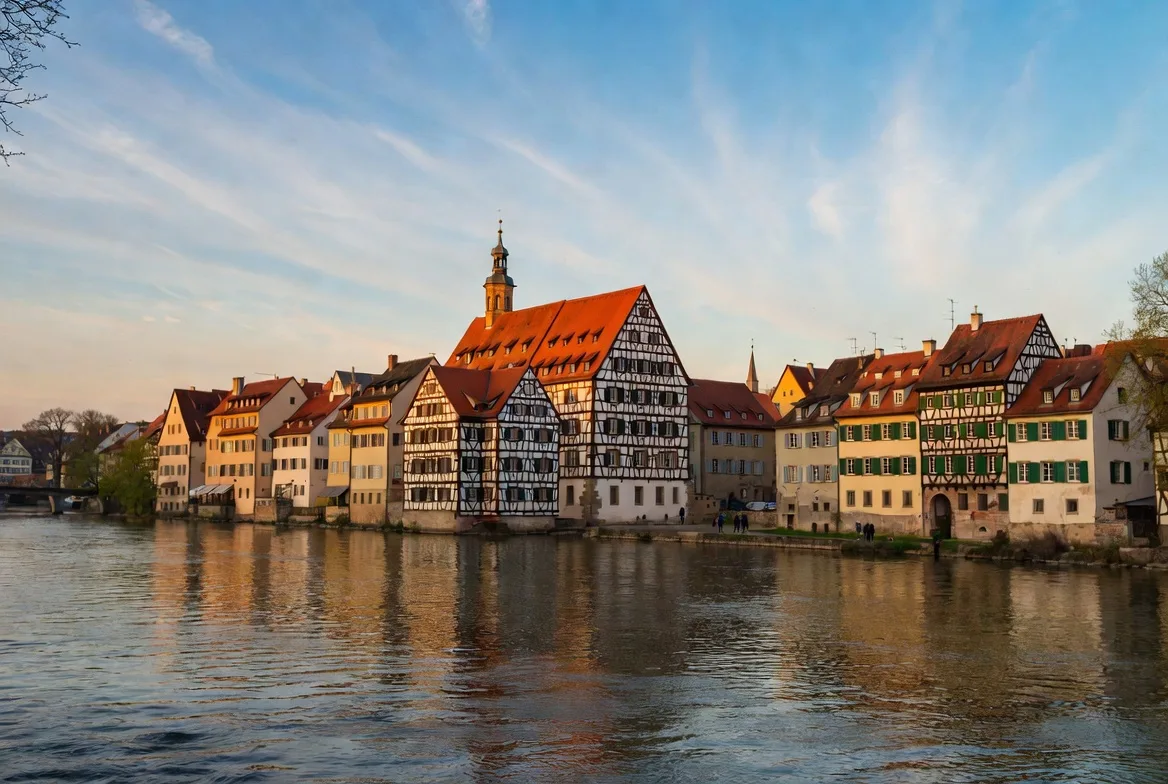
Berlin and Munich earn the headlines, but some of Germany’s most memorable travel days happen in places that fit comfortably in an afternoon walk. The best small cities in Germany are not simply scaled-down versions of the big urban names. They have their own rhythm - shaped by river trade, courtly history, university life, wine culture, or centuries of craftsmanship - and that is exactly what makes them so rewarding for travelers who want more than a checklist.
What follows is not another catch-all roundup of pretty towns. It is a closer look at small cities that feel substantial without feeling overwhelming, places where architecture, local identity, and day-to-day life still set the tone. For US travelers planning an independent trip, these are the kinds of destinations that can anchor a slower itinerary or add depth between Germany’s better-known stops.
What makes the best small cities in Germany stand out
Size alone is not the point. Germany has no shortage of attractive small places, but the most compelling small cities combine a strong sense of place with enough cultural weight to sustain a stay. You want somewhere easy to navigate on foot, yes, but also somewhere with layers - a historic core that still feels lived in, museums or churches that tell a regional story, and a food or wine scene rooted in local habits rather than visitor expectations.
That is why this selection leans toward destinations with distinct personalities. Some are former free imperial cities, others are spa centers, university hubs, or old trading points. A few are polished and elegant. Others are slightly rougher at the edges, which can be part of their appeal. If you are deciding where to go, the real question is not which place is objectively best. It is which kind of atmosphere you want your trip to hold.
12 best small cities in Germany for a richer itinerary
Bamberg
Bamberg has the rare quality of feeling both grand and intimate. Built across seven hills and threaded by water, it carries traces of an ecclesiastical past without becoming stiff or museum-like. The old town’s layered streets, the cathedral quarter, and the riverside half-timbered buildings create one of the most visually satisfying urban landscapes in the country.
It also has flavor in the literal sense. Franconian beer culture is serious here, and the city’s tavern tradition gives Bamberg a sociable, grounded mood after the architectural splendor. For travelers who want a small city with major heritage and a lived-in food culture, Bamberg is a strong choice.
Görlitz
On Germany’s eastern edge, Görlitz feels almost improbably intact. Its streets move through Gothic, Renaissance, Baroque, and late 19th-century architecture with unusual continuity, which gives the whole city a cinematic quality. Yet it is not only photogenic. The border position, facing Poland across the Neisse River, adds a layer of complexity and cross-cultural perspective.
Görlitz suits travelers who enjoy architecture as atmosphere rather than attraction alone. It is a place for wandering, noticing facades, stepping into quiet church interiors, and feeling how history accumulates in built form.
Tübingen
Tübingen’s beauty comes with energy. Yes, there are half-timbered houses, steep lanes, and a river scene that looks almost too composed to be real. But this is also a university city, and that academic life keeps it lively, conversational, and youthful in spirit.
For many visitors, the appeal lies in that balance. Tübingen is visually traditional without feeling frozen, and intellectually rich without feeling forbidding. If you like the idea of spending part of a Germany trip in a place where old walls and student culture coexist naturally, this city delivers.
Regensburg
Regensburg often surprises first-time visitors because it feels more Italianate and mercantile than people expect from Bavaria. Its medieval center, stone bridge, and patrician towers speak to a city shaped by trade and political importance, not just regional charm. Walking here, you sense urban confidence rather than village prettiness.
That distinction matters. Regensburg is ideal if you want a small city with historical substance and architectural density, but less of the Alpine or storybook framing many American travelers associate with southern Germany.
Weimar
Few small cities carry cultural weight as elegantly as Weimar. This is where German literature, philosophy, music, and political history intersect in ways that still shape the city’s identity. Goethe and Schiller are the obvious names, but Weimar’s significance extends well beyond literary pilgrimage.
The city works best for travelers who enjoy context. Museums, residences, parks, and public spaces all reward slower attention, and the atmosphere is measured rather than flashy. Weimar is not about spectacle. It is about depth.
Freiburg im Breisgau
Freiburg is often discussed as a gateway to the Black Forest, but that undersells it. The city itself is one of southern Germany’s most appealing smaller urban centers, with a cathedral square that anchors daily life, old canals running through the streets, and a sunnier disposition than many German destinations.
It is also a place where environmental consciousness and regional food culture feel embedded rather than branded. If you want a small city that combines historic character with a distinctly contemporary lifestyle, Freiburg makes a persuasive case.
Lübeck
Lübeck has the self-possession of a city that once mattered enormously, and still knows it. The brick Gothic architecture, merchant houses, and church spires reflect its Hanseatic past, while the old island center remains compact enough to explore without haste. It feels northern in the best way - maritime, restrained, and deeply shaped by trade history.
Some travelers respond more strongly to Lübeck than to flashier destinations because it does not oversell itself. Its pleasures are architectural, atmospheric, and culinary, especially if you appreciate places where regional identity is unmistakable.
Baden-Baden
Baden-Baden is small-city Germany at its most polished. There is a spa-town elegance here, reinforced by Belle Epoque buildings, manicured public spaces, and a social history tied to leisure and health. That can make it feel more composed than some travelers prefer, but for others that refinement is exactly the point.
If your ideal itinerary includes thermal baths, cultured strolling, and a sense of old-world resort life, Baden-Baden stands apart. It is less about gritty urban texture and more about pleasure, setting, and atmosphere.
Quedlinburg
Quedlinburg has one of the most remarkable historic cores in Germany, especially for travelers drawn to timber-framed architecture. The townscape climbs toward the castle hill in a way that gives the whole place shape and drama, and the abundance of preserved buildings creates an unusually immersive historic environment.
There is always a trade-off with places this beautiful. At times, Quedlinburg can feel self-consciously picturesque. But if you arrive ready to look beyond the postcard surface, you will find a city with real medieval depth and strong regional character.
Passau
At the meeting point of three rivers, Passau has a theatrical setting that immediately gives it presence. The old town, with its Baroque character and water-bound geography, feels distinct from many other small German cities. It is compact, elegant, and visually tied to the Danube in a way that makes the landscape part of the urban experience.
Passau is especially appealing for travelers who want a city that feels shaped by geography as much as history. The river views are not incidental here. They organize the whole mood of the place.
Erfurt
Erfurt deserves far more attention from international travelers than it usually gets. The old town has real scale, the cathedral and Severikirche create one of Germany’s most striking hilltop ensembles, and the Krämerbrücke gives the city a signature landmark that still feels integrated into daily life rather than separated from it.
What makes Erfurt compelling is its balance. It has enough grandeur to satisfy travelers interested in history and architecture, but it remains approachable, walkable, and less overframed than many better-known destinations.
Heidelberg
Heidelberg may be one of the more famous names on this list, but it still belongs in the small-city conversation. Its riverside setting, old university, and castle ruins create a powerful image, yet the city works because that beauty is tied to an enduring intellectual identity. It feels romantic, yes, but not purely decorative.
For first-time visitors to Germany, Heidelberg can be a gentle entry point into smaller urban travel. It is accessible, legible, and richly scenic, though popularity means it can feel busier than the others listed here.
How to choose among the best small cities in Germany
The right choice depends on what kind of Germany you want to experience. If architecture is your main draw, Görlitz, Quedlinburg, and Lübeck each offer a very different visual world. If you care more about literature, music, and ideas, Weimar and Tübingen will likely resonate more deeply.
Regional mood matters too. Northern cities such as Lübeck feel markedly different from the warmer, wine-friendly atmosphere of Freiburg or Bamberg’s Franconian conviviality. Baden-Baden suits travelers looking for elegance and ease, while Erfurt and Regensburg offer more civic weight and historical breadth.
There is also the question of pace. Some of these cities are perfect for one well-planned overnight stay, while others reward two or three days of unhurried wandering. A place like Weimar asks for time and attention. Heidelberg can work as a shorter stop, though staying longer lets the city settle around you after the daytime crowds thin.
Small cities often reveal Germany at its most textured - not because they are secret, but because they are legible. You can trace history in the street plan, notice regional habits at dinner, and understand a place without needing to conquer it. If your trip has room for only one, choose the city whose character feels most unlike home. That is usually where the strongest memories begin.