Blog
Germany Beyond Guidebooks, by Region
Published June 23, 2026
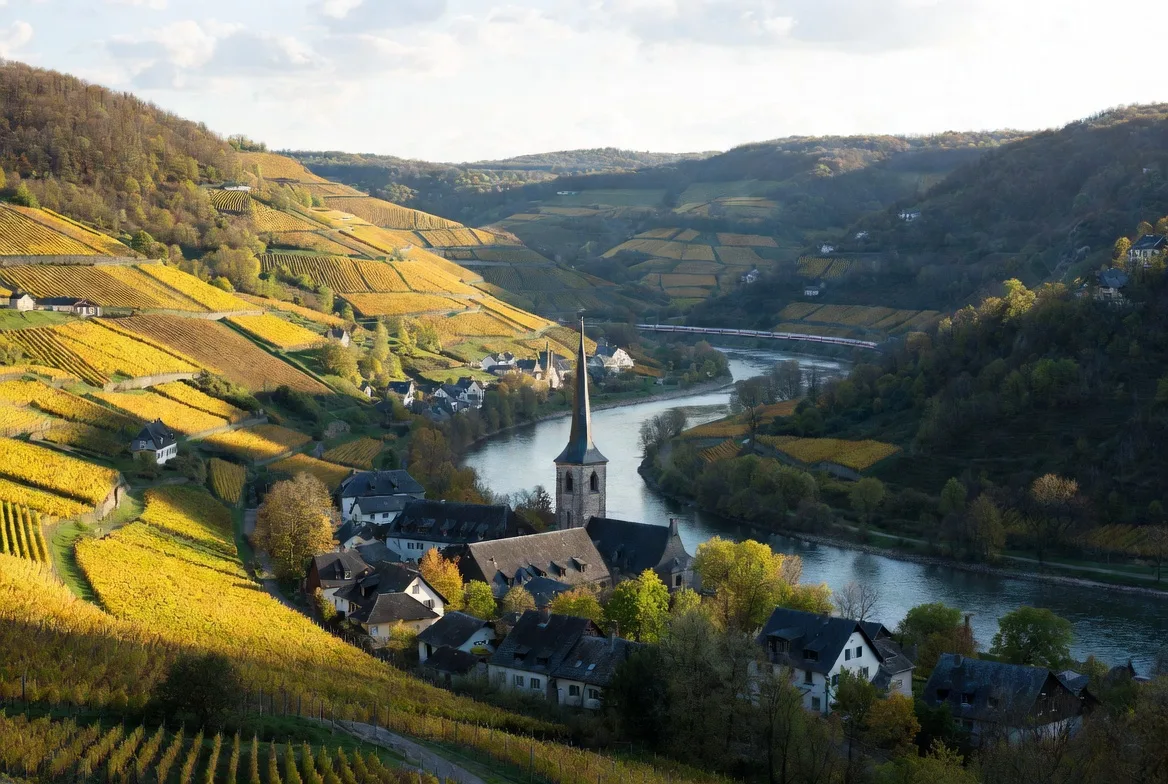
A better Germany trip often begins when the checklist starts to loosen. Germany beyond guidebooks is less about rejecting famous places than about seeing the country the way it actually unfolds - region by region, custom by custom, landscape by landscape. That shift changes everything. Instead of racing from Berlin to Munich to a castle viewpoint, you begin to notice how a riverside wine village in the southwest feels utterly different from a Baltic resort town, or why a spa tradition in one corner of the country can tell you as much about German life as any major museum.
For American travelers especially, Germany can be easy to flatten into a series of efficient train connections and familiar headline destinations. Yet one of the country’s greatest pleasures is its regional specificity. Architecture, food, dialect, even the rhythm of a town square can change within a few hours. If you want a more memorable trip, the real question is not simply where to go, but what kind of Germany you want to experience.
Germany beyond guidebooks begins with regions
Guidebooks are useful for orientation. They tell you what matters historically, what is famous, and what tends to be practical on a first pass. What they often cannot fully convey is the texture of a region - the way vineyards climb a steep riverbank, the quiet formality of a spa promenade, or the salty brightness of a northern seafront lined with grand 19th-century villas.
Thinking regionally helps you travel with more coherence. A trip becomes less about collecting isolated highlights and more about following a theme. You might build your route around wine landscapes, thermal culture, half-timbered heritage, or maritime Germany. That approach creates a stronger sense of place, and it usually leads to experiences that feel less staged and more lived-in.
There is also a practical advantage. Regional travel tends to be calmer. You spend less time in transit, less energy repacking, and more time settling into local patterns - morning bakery stops, market days, evening walks by the river or through a Kurpark. Germany rewards that slower tempo.
Follow a theme, not a trophy list
One of the smartest ways to plan Germany beyond guidebooks is to choose a single theme and let it shape your itinerary. Not because themes are neat, but because Germany’s identity is deeply layered. The country is not one aesthetic or one cultural mood. It is a mosaic.
A spa-town itinerary, for instance, reveals an unexpectedly elegant side of Germany. In places shaped by centuries of bathing culture, the appeal is not just wellness in the modern sense. It is architecture, ritual, and social history. You see how towns were designed around promenades, gardens, and slow public life. The atmosphere can feel refined without being remote, and for travelers who enjoy beautiful built environments, this is often more compelling than another rush through a major city center.
A wine-focused route offers something else entirely. In Germany’s wine regions, villages and small towns are inseparable from the surrounding landscape. Vineyards are not background scenery. They are the organizing principle of daily life, local identity, and cuisine. You begin to understand why a river valley matters, why slopes are planted the way they are, and why lunch on a terrace can feel like a cultural experience rather than just a pleasant meal.
Then there is the northern coast, where Germany can surprise travelers who associate the country mainly with forests, mountains, and Christmas markets. Along the Baltic, the mood turns maritime and airy. Resort architecture, piers, dune landscapes, and a long tradition of seaside escapes create a Germany that feels lighter, almost understated, but no less distinct.
The Germany of spa towns and quiet grandeur
If your image of Germany leans heavily urban or alpine, spa towns can recalibrate it beautifully. These are places where architecture and atmosphere are central to the experience. Colonnades, formal parks, historic bathhouses, and gracious old hotels create a sense of continuity with the 19th century, when health travel and leisure culture shaped entire towns.
What makes these destinations particularly rewarding is that they are rarely consumed in a hurry. You walk. You sit. You notice details. There may be mineral springs, thermal baths, or wellness traditions, but the deeper pleasure is the setting itself - the choreography of streets, gardens, and public spaces designed for lingering.
This kind of travel will not appeal to everyone in the same way. If you want nightlife and constant novelty, a spa-town stay can feel restrained. But for travelers drawn to architecture, civility, and the old European idea that beauty can be part of everyday life, these places have unusual staying power.
Wine country tells a more intimate story
Germany’s wine regions are often where first-time visitors begin to understand scale differently. The country can look grand in photographs, but in person many of its most rewarding wine landscapes feel intimate. Villages curve along the river. Church towers rise above compact old centers. Hillsides seem close enough to read.
That intimacy is precisely the point. These are regions where travel becomes sensory and local. You notice slate, sunlight, cellar doors, seasonal menus, and the cadence of a town that lives with the vineyard year after year. Even travelers who do not consider themselves particularly wine-focused often find these areas memorable because the experience is about more than tasting. It is about cultural geography.
There is a trade-off, of course. Smaller wine towns can be quiet, especially outside peak seasons or on certain weekdays. That can feel wonderfully peaceful or a little too still, depending on your expectations. The best approach is to lean into the rhythm rather than resist it. Arrive ready for scenic walks, lingering meals, and landscapes that reveal themselves gradually.
On the Baltic, Germany feels unexpectedly light
For many US travelers, coastal Germany is an afterthought. It should not be. The Baltic coast offers one of the clearest examples of how regional framing transforms a trip. Here, Germany becomes a story of sea air, resort culture, ferry horizons, and elegant waterfront architecture.
The appeal is subtle at first. This is not Mediterranean drama. It is cooler, more composed, and often more spacious. But that restraint is part of the charm. On the Baltic, long promenades and broad beaches meet towns with a strong sense of design and history. You may find white facades, striped beach chairs, historic piers, and a social life that still revolves around fresh air and daylight.
This region is especially good for travelers who want beauty without constant spectacle. It suits slower itineraries, shoulder-season trips, and anyone curious about a Germany shaped by maritime traditions rather than inland power centers. Weather, naturally, matters more here than in some other trip styles. A gray coastal day can still be atmospheric, but it creates a very different experience from a bright summer afternoon.
Why smaller-scale travel often works better in Germany
Germany is exceptionally well suited to independent travelers, but its greatest strengths are not always the ones promoted most loudly. Yes, major cities have world-class museums and strong transportation networks. Yet the country’s real travel magic often appears in places where scale remains human.
A smaller town or regional circuit gives context to things that can feel abstract in larger destinations. Half-timbered architecture stops being a photo motif and becomes part of a lived streetscape. A local festival, wine harvest, or spa tradition stops feeling decorative and starts to make sense within the community that maintains it.
This does not mean skipping the major cities altogether. It means pairing them intelligently. A few days in a cultural capital followed by several days in one surrounding region often creates a richer balance than trying to cover the entire country in one sweep. Germany rewards concentration more than conquest.
How to plan a more layered trip
The most effective itineraries usually begin with one question: what atmosphere do you want to live in for a few days? Not what landmark do you want to photograph, but what kind of place do you want to wake up in. A riverside wine town, a stately spa resort, a breezy coastal promenade, or a compact historic center will each shape your trip differently.
From there, build around proximity and mood. Two or three bases are often enough for a longer vacation. Leave space for regional meals, unplanned detours, and the simple pleasure of staying put long enough to develop preferences - the café you return to, the park bench you seek out at dusk, the street that looks best in early morning light.
That, more than anything, is the spirit behind Travel Germany’s editorial lens. The country becomes richer when you stop treating it as a sequence of required stops and start reading it as a collection of regional worlds.
If you want a Germany that stays with you after the flight home, choose one region and let it unfold at its own pace.