Blog
11 Hidden Gems in Germany Worth the Detour
Published June 21, 2026
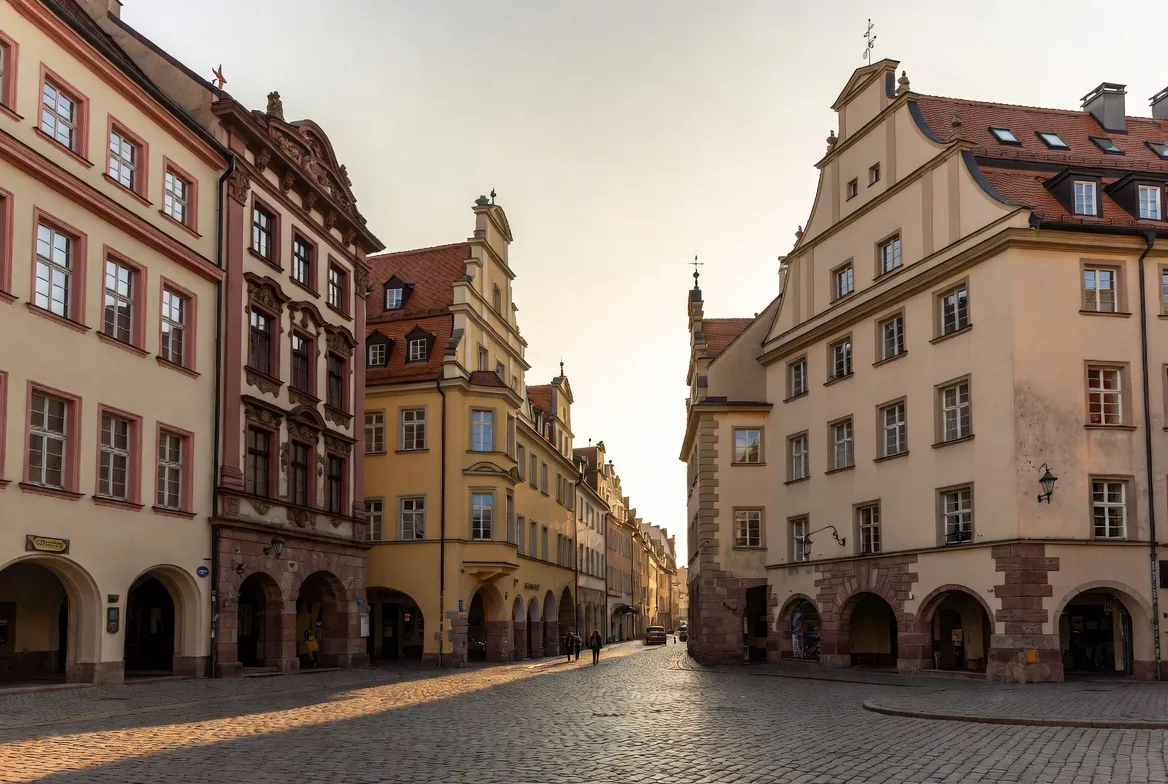
Some of the best hidden gems in Germany are not remote at all. They sit a short train ride from major cities, tucked behind more famous names, quietly keeping their half-timbered streets, harbor promenades, spa gardens, and castle views without much performance for outsiders. For travelers coming from the US, that is part of the appeal. Germany rewards anyone willing to look past Berlin, Munich, and the Rhine's headline stops.
The country's lesser-known places are not "secret" in the strict sense. Germans know them well, and many have long histories as regional favorites. What makes them feel special is the way they hold onto a strong local identity. You notice it in architecture, food, dialect, and the rhythm of daily life. If you want a trip that feels more textured than a checklist, these destinations are where Germany becomes especially interesting.
Why hidden gems in Germany feel so rewarding
Germany is unusually good at the in-between scale. It has big cities with global reputations, but its real depth often appears in smaller towns and secondary cities where history remains visible and life still feels local. That could mean a Hanseatic port with brick Gothic warehouses, a university town with Baroque facades, or a former spa retreat where 19th-century elegance still shapes the streetscape.
There is also a practical advantage. Many hidden gems in Germany are easier to add to an itinerary than travelers expect. The rail network makes it possible to combine famous destinations with quieter ones, and doing so often changes the tone of a trip for the better. You trade lines and overbooked old towns for places where you can actually hear church bells, linger over cake in a café, and feel the region rather than just pass through it.
11 hidden gems in Germany to know now
Görlitz
Right on the Polish border, Görlitz is one of Germany's most visually striking towns and still somehow under the radar for many international visitors. Its old town is remarkably intact, with Gothic, Renaissance, Baroque, and Art Nouveau buildings gathered into a streetscape that feels almost impossibly preserved. Film crews have noticed this for years, but independent travelers still often miss it.
What makes Görlitz more than a pretty backdrop is its border identity. Cross the river and you are in Zgorzelec, Poland, which gives the place a layered, lived-in sense of Central European history. It suits travelers who like architecture and atmosphere more than nonstop sightseeing. If your Germany trip tends toward cities with a strong visual character, Görlitz earns a place near the top.
Getting there: About 1¼ hours by regional train from Dresden, right on the Polish border. Best time to visit: Late spring to early autumn for the streetscape; December for the Christmas market.
Quedlinburg
In the Harz foothills, Quedlinburg has one of the most beautiful collections of half-timbered houses in the country. Yes, Germany has many timber-framed towns, and that is exactly why Quedlinburg stands out - the scale and coherence here are extraordinary. The old town rises gently toward a hilltop church and castle complex, creating views that feel composed rather than accidental.
It can get busier in peak season, especially with domestic travelers, so this is not a case of total solitude. Still, compared with better-known Romantic Road stops, Quedlinburg feels more grounded and less curated for outsiders. Stay overnight if you can. The evenings, when day-trippers leave and the lanes quiet down, are part of its charm.
Getting there: Roughly 1¼ hours from Magdeburg, or about 3 hours from Berlin via Magdeburg/Halberstadt. Best time to visit: May–September for long evenings; Advent weekends transform the old town.
Tübingen
Southwest Germany has no shortage of attractive university towns, but Tübingen has a particular grace. The Neckar River curves through the city, timber-framed houses lean over the water, and punting boats drift past the waterfront in a way that feels more intimate than grand. It is scholarly without being stiff and youthful without losing its historical depth.
Tübingen works especially well for travelers who want a smaller-city stop between bigger destinations such as Stuttgart or the Black Forest region. Its pleasures are subtle: a market square, a hilltop castle, excellent bookshops, and a café culture shaped by students and professors. It is less about major attractions and more about spending a day in a place that has learned how to age well.
Getting there: About 1 hour by regional train from Stuttgart. Best time to visit: Late spring through summer, when the Neckar punts run and the student town is liveliest.
Schwerin
Schwerin's fairy-tale castle gets attention, but the city around it deserves far more. Built among lakes in northern Germany, Schwerin has a calm, almost watery elegance. The castle sits dramatically on an island, but the broader appeal lies in how the city blends courtly history with a gentle pace and unusually scenic setting.
For travelers heading north, Schwerin can be a thoughtful alternative to rushing only between Berlin and Hamburg. It is manageable, handsome, and easy to appreciate without an exhaustive plan. If you like places where you can alternate between palace interiors, lakeside walks, and a compact old center, Schwerin offers that balance beautifully.
Getting there: Around 1 hour from Hamburg, or about 2 hours from Berlin. Best time to visit: Summer, for the castle gardens and lakeside walks.
Bad Wimpfen
Perched above the Neckar River, Bad Wimpfen feels like one of those towns that should be far more famous than it is. It has medieval towers, narrow lanes, half-timbered houses, and the kind of elevated views that give a town an immediate sense of drama. Yet it remains a relatively quiet presence in many Germany itineraries.
Its spa identity adds another layer. Bad Wimpfen is not only picturesque but also part of Germany's long tradition of health resorts and restorative towns. That combination of medieval atmosphere and wellness culture is distinctly German. It is ideal for travelers who enjoy slow travel and places where scenic beauty is paired with a calm, restorative mood.
Getting there: About 20 minutes from Heilbronn, or roughly 1 hour from Stuttgart, along the Neckar Valley line. Best time to visit: Spring to autumn for the river views and spa-town calm.
Regensburg
Regensburg is not exactly unknown, but it is often overshadowed by Bavaria's bigger names. That is a mistake. Set on the Danube, it has one of the best-preserved medieval centers in Germany, with stone towers, patrician houses, and a sense of continuity that runs deep. It feels urban and historical at the same time, not like a town frozen in costume.
The city is especially rewarding if you like the overlap of Roman roots, medieval trade history, and present-day café life. It has enough weight for history lovers yet remains easy to enjoy casually. For many travelers, Regensburg ends up being the Bavarian city they did not expect to love quite so much.
Getting there: About 1½ hours from Munich or 1 hour from Nuremberg by train. Best time to visit: Spring to autumn for Danube café life; one of Germany's oldest Christmas markets in December.
Wismar
On the Baltic coast, Wismar offers the maritime north in a quieter register than Lübeck or Rostock. Its brick Gothic churches, broad market square, and old harbor reflect the Hanseatic world, but the atmosphere is more relaxed and less traveled by international visitors. There is a salty plainness to the place that feels honest and appealing.
Wismar is a good example of how German coastal travel can surprise American visitors. The Baltic is not all resort gloss. Here, the charm is historical and working, with fish sandwiches, harbor light, and old merchant architecture rather than flashy spectacle. If your idea of a hidden gem includes mood as much as monuments, Wismar delivers.
Getting there: Around 30–45 minutes from Schwerin, or about 2 hours from Hamburg. Best time to visit: Summer, when the Baltic harbor and market square are at their best.
Bamberg
Bamberg is one of Franconia's loveliest cities, spread across hills and river channels with a historic center that feels varied rather than uniform. Its old town includes ecclesiastical grandeur, humble fishermen's houses, and the famous town hall poised dramatically over the water. The setting gives it a visual richness that lingers.
It is also a place where food and drink matter. Franconian beer culture runs deep, and Bamberg's smoked beer is either an instant love or a fascinating challenge - it depends on your palate. That is part of the fun. Bamberg appeals to travelers who want beauty with a strong regional flavor, not beauty alone.
Getting there: About 45 minutes from Nuremberg on the Würzburg line. Best time to visit: Late spring to early autumn; the Sandkerwa folk festival animates the old town in August.
Celle
Not far from Hanover, Celle is one of northern Germany's most appealing under-the-radar towns. Its old center is filled with meticulously preserved half-timbered buildings, while the ducal palace introduces a layer of Renaissance and Baroque formality. The result is a town that feels both decorative and substantial.
Celle is also easy to fit into a wider route, which matters. Some hidden places are lovely but awkward. Celle, by contrast, is practical for rail travelers and rewarding for anyone interested in architecture without the pressure of a major tourist circuit. It is polished but not overrun.
Getting there: Just 25–40 minutes by regional train from Hanover. Best time to visit: Spring to autumn, when the half-timbered center and palace gardens look their finest.
Meersburg
On Lake Constance, Meersburg rises in terraces above the water, combining vineyard slopes, lake views, and a compact historic center. Southern Germany has many scenic places, but Meersburg stands out for how naturally its landscape and architecture work together. It feels shaped by trade, travel, and a long relationship with the lake.
This is one of the more romantic entries on the list, though not in a saccharine way. Ferries, waterfront promenades, and hilltop perspectives give the town a slow, cinematic quality. In summer it is hardly empty, so timing matters, but shoulder season brings a more spacious version of its charm.
Getting there: No train station — cross by ferry from Konstanz (about 15 minutes) or take a bus from Friedrichshafen. Best time to visit: Late spring and early autumn shoulder season, to enjoy the lakefront without peak-summer crowds.
Naumburg
Naumburg, in Saxony-Anhalt, is often bypassed by travelers heading elsewhere in eastern Germany, which is a shame. Its cathedral is one of the great works of medieval art in the country, and the town around it has a quiet dignity that rewards lingering. Vineyards nearby add another dimension, especially for travelers interested in Germany's less-publicized wine regions.
What Naumburg offers is not flash but depth. It suits people who enjoy cultural travel that feels rooted and regional. If your favorite destinations are the ones that reveal themselves gradually, Naumburg has that quality.
Getting there: About 40–50 minutes from Leipzig or Erfurt on the main line. Best time to visit: Spring to autumn; come in autumn for the nearby Saale-Unstrut wine harvest.
How to choose the right hidden gem in Germany
The right choice depends on what kind of trip you want. If architecture is the priority, Görlitz, Quedlinburg, and Celle are especially strong. If you want water and a slower tempo, Schwerin, Wismar, and Meersburg are easier fits. For travelers drawn to food, beer, and historic urban life, Bamberg and Regensburg make a compelling pair.
It also depends on season and routing. A place that feels peaceful in October may feel much more animated in July, and that is not always a downside. Germany's smaller destinations often come alive through local markets, festivals, and outdoor café culture. At Travel Germany, that is part of what makes these places worth seeking out: they are not side notes to the country's story. They are the story, just told in a quieter voice.
The best detours are the ones that change your sense of a country. In Germany, that often happens not at the marquee stops but in the towns and smaller cities where regional character still leads the conversation. Leave room for one or two of them, and your itinerary will likely feel less crowded, more memorable, and much closer to the Germany many travelers never quite reach.