Blog
10 Hidden Towns in Germany Worth the Detour
Published June 22, 2026
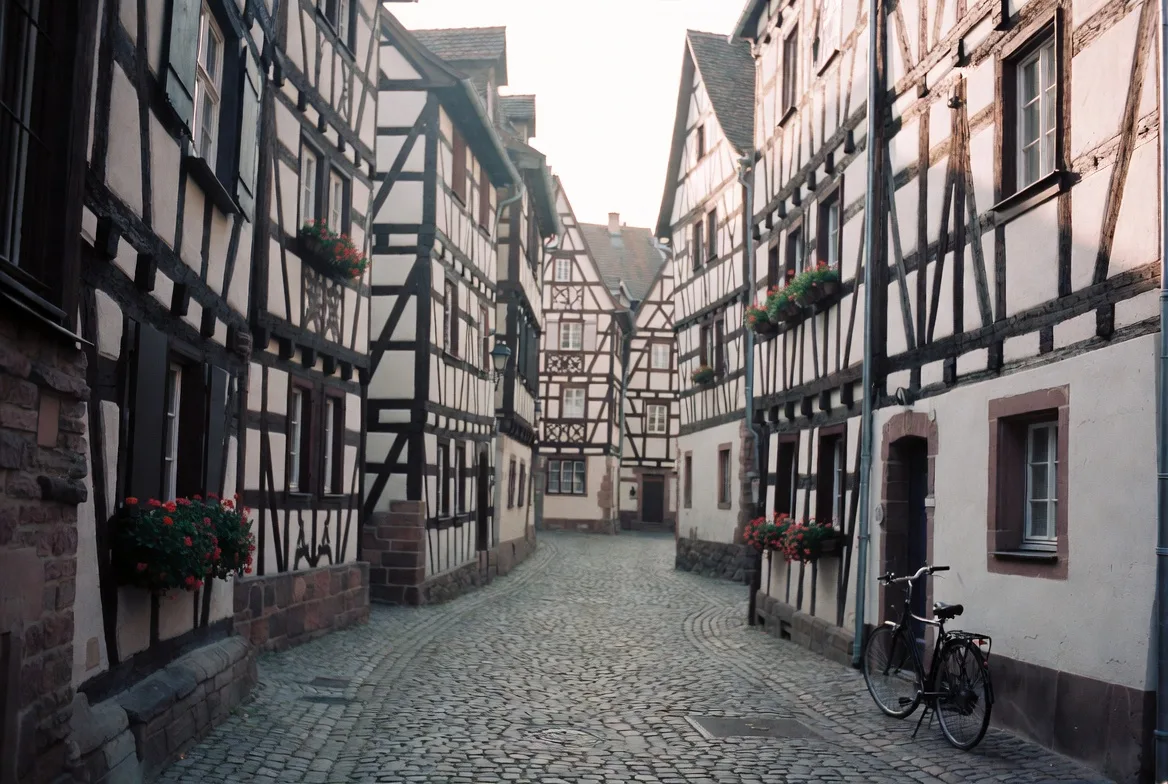
Some of the most memorable places in Germany are not the names that dominate first-draft itineraries. The real pleasure often begins when the train leaves the major city behind, the landscape opens into vineyards, river valleys, or low mountains, and one of the country’s hidden towns in Germany reveals itself slowly - through a market square, a church tower, a half-timbered facade, or a café that seems to keep local time rather than tourist time.
What makes these places compelling is not simply that they are lesser known. It is that they show Germany at a more human scale. You notice regional building styles, local food traditions, and the way history sits in everyday life. Some are former trading centers, some spa towns, some walled medieval settlements, and some feel almost improbably preserved. None need a hard sell.
Why hidden towns in Germany feel different
Germany does big-city culture extremely well, but smaller towns often carry the texture travelers say they want and then struggle to find in more famous places. In a place like this, the church bells, bakery windows, old town halls, and riverside promenades are not arranged for visitors. They are part of the place’s natural rhythm.
That does not mean every small town is automatically magical. Some are best for a half day, others reward an overnight stay, and a few can feel sleepy if you arrive on the wrong weekday or outside festival season. The appeal depends on what you want: architecture, quiet, wine country, spa culture, or a sense of deep historical continuity.
10 hidden towns in Germany to know
Quedlinburg, Saxony-Anhalt
Quedlinburg has the kind of old town that can make even seasoned travelers stop walking for a moment. Its remarkable collection of half-timbered houses gives the town an almost theatrical visual unity, but it never feels staged. The streets rise gently toward the castle hill, and the whole setting has a layered, storybook gravity.
This is the sort of place for travelers who enjoy wandering without a checklist. The appeal lies in details: carved beams, crooked lanes, and small shifts in perspective as the town opens and closes around its squares. It suits a slower pace, especially if you want medieval Germany without the heavy international crowds of more famous names.
Tübingen, Baden-Württemberg
University towns can go one of two ways - overly polished or pleasantly alive. Tübingen lands in the second category. Set along the Neckar River, it blends academic energy with a deeply attractive old center of gabled houses, lanes, and waterside views.
What sets it apart is tone. Tübingen feels intellectually animated without losing warmth. You might spend part of a day in the historic center and another just watching the river activity near the old bridge. For travelers interested in a lived-in town rather than a preserved museum piece, it is a strong choice.
Meersburg, Baden-Württemberg
On the shore of Lake Constance, Meersburg has the visual drama many lakeside destinations promise but do not always deliver. Vineyards spill down toward the water, the old town sits on a rise, and the lake itself gives everything a calm, expansive backdrop.
It is not unknown, especially among German travelers, but it remains underrepresented in international trip planning. Meersburg works especially well if you want beauty with a sense of ease. There is enough history and atmosphere for a cultural visit, but it also invites long pauses - lake views, wine, and unhurried walks matter here as much as monuments.
Monschau, North Rhine-Westphalia
Tucked into the hills near the Belgian border, Monschau feels distinctly different from the broad-image Germany many US travelers carry in mind. Its timbered houses cluster tightly along a narrow valley, with the river threading through the center and wooded slopes enclosing the scene.
Because of that setting, Monschau can feel intimate in a way flatter towns do not. It is ideal for travelers combining landscape and architecture, especially in cooler seasons when the town’s compact streets and old stone textures become part of the mood. It can get busy on peak weekends, so timing matters.
Görlitz, Saxony
Görlitz is one of those places that makes you wonder why it is not mentioned more often. On Germany’s eastern edge, it has a striking architectural range, from Gothic and Renaissance touches to elegant later facades, all unusually intact. Walking through town feels like moving across several centuries without abrupt breaks.
Its border setting adds another layer. Görlitz carries the weight and complexity of Central European history, yet it remains approachable and visually graceful. Travelers who care about architecture and urban atmosphere more than headline attractions often come away genuinely surprised.
Cochem, Rhineland-Palatinate
The Moselle region is hardly a secret, but many itineraries rush through it too quickly. Cochem deserves more than a scenic glance from a passing train. With its riverside setting, steep vineyard slopes, and hilltop castle, it captures the romance people often imagine when they think of western Germany.
The trade-off is that Cochem is not hidden in an absolute sense. In high season, others will have the same idea. Still, it earns its place because it offers the region’s appeal in concentrated form. If you want one small town that introduces the Moselle’s wine-country atmosphere clearly and beautifully, Cochem makes sense.
Dinkelsbühl, Bavaria
When travelers talk about medieval towns in Bavaria, one or two names usually dominate the conversation. Dinkelsbühl often slips through the cracks, which is fortunate for anyone who values atmosphere over bragging rights. Its walls, towers, and old center are exceptionally cohesive, giving the town a calm, almost self-contained character.
Unlike places that can feel overcurated, Dinkelsbühl still reads as a functioning town first. That balance matters. You can appreciate the historic fabric without feeling pushed along a single tourist route. For photographers and architecture lovers, it is especially rewarding in early morning and late afternoon light.
Bad Wimpfen, Baden-Württemberg
Bad Wimpfen rises above the Neckar in a way that makes its silhouette memorable before you even arrive. Towers and old walls announce the town from a distance, and once inside, the streets deliver a compact, beautifully preserved historic core with a strong imperial-era presence.
It also has the slightly quieter atmosphere many travelers want from a small German town. The spa heritage adds another dimension, though the main draw for most visitors is the setting and built environment. It is a very good choice for those who like history with a gentle, unhurried mood.
Lüneburg, Lower Saxony
Lüneburg has substance. Its wealth once came from salt, and that prosperity still shows in the handsome brick buildings, elegant gables, and confident civic architecture. Yet it does not feel grand in a distancing way. It feels approachable, youthful, and deeply rooted at the same time.
The town works well for travelers who want a hidden town with enough cultural life to fill more than a brief stop. The historic center is rewarding, but so is the broader sense of place. Lüneburg feels less like a preserved scene and more like a town that learned how to carry its history forward.
Freudenstadt, Baden-Württemberg
Freudenstadt is a different kind of hidden gem. It does not rely on medieval density or river-valley romance in the same way as some others here. Instead, its appeal comes from its vast market square, Black Forest setting, and a town plan that feels spacious, orderly, and distinct.
This is a good reminder that hidden towns in Germany are not all versions of the same postcard. Freudenstadt suits travelers who want access to forest landscapes but prefer a base with architectural clarity and a relaxed town center. It can be paired naturally with scenic drives, walking trails, and regional food culture.
How to choose the right hidden town in Germany
If your trip is built around old-world streets and architecture, Quedlinburg, Dinkelsbühl, and Görlitz are especially strong. If you want waterside atmosphere, Meersburg and Tübingen have a gentler, more open feel. For wine landscapes and romantic scenery, Cochem stands out. If your ideal trip leans toward wooded hills and seasonal atmosphere, Monschau and Freudenstadt make a different kind of case.
It is also worth thinking regionally. Germany’s smaller towns are often best understood in relation to their landscapes. A town on the Moselle feels different from one in Swabia or the Harz. The architecture changes, food shifts subtly, and even the rhythm of a day can feel region-specific. That is part of the pleasure.
The most rewarding approach is usually not to chase the most obscure place possible. It is to choose a town with character that fits the wider trip you actually want. A lesser-known destination works best when it deepens your sense of a region rather than simply adding another pin on a map.
Germany is full of places that do not announce themselves loudly, and that is often exactly why they stay with you. Leave room in your itinerary for one town you had not heard of a month ago, and it may become the place you talk about most when you get home.