Blog
7 Spa Towns in Germany Worth the Detour
Published June 27, 2026
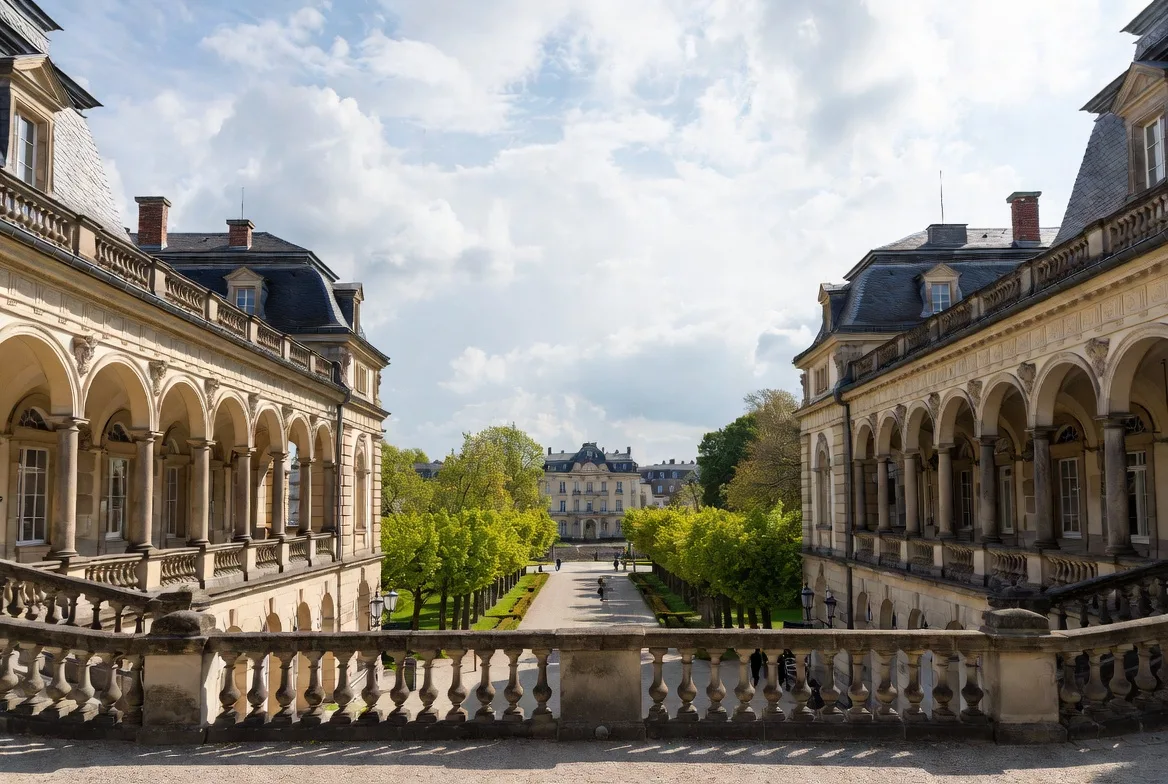
You notice it first in the architecture. In Germany’s classic spa towns, hotels and bathhouses arrive with colonnades, domes, promenades, and gardens designed for lingering rather than rushing. The appeal of spa towns in Germany is not only the water, though mineral springs and thermal baths are still central. It is the way these places turned wellness into a whole civic identity - part aristocratic retreat, part health cure, part elegant small-town life.
For American travelers planning a Germany itinerary, spa towns can add a very different rhythm between major cities. They are often quieter, greener, and more ceremonious than the usual urban stops, but they are not sleepy in a dull sense. Many have concert halls, Belle Epoque villas, casino buildings, landscaped parks, and an old-world culture of walking, reading, and taking the waters. Some feel polished and grand. Others feel intimate, almost tucked into river valleys or forest edges. That variation is exactly what makes the category interesting.
Why spa towns in Germany feel so distinctive
Germany’s spa culture sits at the intersection of medicine, leisure, and landscape. The tradition of the Kur town - a place associated with healing springs, fresh air, and restorative routines - shaped urban planning in a way that still reads clearly today. Even if you never step into a thermal pool, you can feel the logic of these towns in the broad promenades, calm parks, and architecture built around repose.
What also sets them apart is that they rarely feel invented for tourism alone. Many developed around genuine health practices, then attracted nobility, writers, musicians, and affluent visitors who wanted both treatment and society. That means a spa town in Germany often offers two pleasures at once: the sensory pleasure of baths and the cultural pleasure of a place with history still visible on the street.
Seven spa towns in Germany with real character
Baden-Baden
If one spa town still carries the full aura of European resort culture, it is Baden-Baden. Set along the edge of the Black Forest, it has the kind of urban elegance that can feel almost theatrical: stately facades, manicured gardens, a famous casino, and bath culture presented with confidence rather than rustic charm.
This is a good choice for travelers who want the spa-town idea in its most classic form. The town’s Roman and Irish bathing tradition adds historical depth, while the setting keeps it from feeling purely formal. Baden-Baden is also useful if you want a spa stop without giving up art, music, or refined dining. The trade-off is obvious - it is one of the best-known names in the category, so it can feel more polished than intimate. Still, it earns that reputation.
Wiesbaden
Wiesbaden often surprises travelers because it feels both urban and therapeutic. As the capital of Hesse, it is larger and more city-like than some other spa towns, yet its identity is deeply tied to hot springs and 19th-century spa culture. Grand avenues, neoclassical buildings, and leafy squares give it a composed, cultivated mood.
What makes Wiesbaden compelling is the sense that spa heritage is woven into everyday city life rather than preserved as a museum piece. You can move from elegant public buildings to parks and thermal spaces without losing that sense of continuity. For travelers already considering Frankfurt or the Rhine, Wiesbaden makes an especially natural addition. It may suit those who prefer a spa destination with more urban energy around the edges.
Bad Ems
Bad Ems, in the Lahn Valley, has a quieter charisma. It was once one of Europe’s most fashionable spa retreats, and traces of that fame remain in the riverside setting and the graceful 19th-century architecture. Yet today it often feels calmer, less self-conscious, and easier to absorb at a slower pace.
This is the kind of town that works well if you like understated elegance. The river softens everything, and the town’s scale invites strolling instead of agenda-driven sightseeing. Bad Ems is not about spectacle. It is about atmosphere, continuity, and the pleasure of being in a place whose grandeur has settled into something more relaxed.
Bad Kissingen
In northern Bavaria, Bad Kissingen presents spa culture with unusual architectural coherence. Its historic spa district is expansive and formal, with colonnades, garden spaces, and the kind of ceremonial layout that reminds you how central health tourism once was to European social life.
There is something slightly more structured about Bad Kissingen than some of its counterparts, and for many travelers that is the appeal. You can clearly read the town’s historical purpose in its built environment. It is also one of the strongest choices if you are interested in UNESCO-recognized Great Spa Towns heritage, because the town’s significance goes beyond local charm. It speaks to a whole chapter of European cultural history.
Bad Wörishofen
Not every spa town in Germany is defined first by aristocratic glamour. Bad Wörishofen, in Bavaria, is closely linked to Sebastian Kneipp and his water-based health philosophy, which gives the town a slightly different personality. Here, wellness feels less like elite ritual and more like a disciplined, nature-oriented tradition grounded in hydrotherapy and holistic health.
That distinction matters if you are choosing based on mood. Bad Wörishofen may appeal more to travelers interested in wellness history, walking culture, and the practical side of German health traditions. It is less about chandeliers and more about routines, fresh air, and therapeutic landscapes. If Baden-Baden is the grand salon, Bad Wörishofen is the thoughtful retreat.
Bad Reichenhall
Near the Alps, Bad Reichenhall brings mountain scenery into the spa-town equation. Known historically for salt and health treatments, it combines a clean, almost luminous townscape with a dramatic regional backdrop. The Alpine setting changes the emotional register completely. You are not only here for baths or wellness architecture, but also for mountain air and the visual presence of the surrounding peaks.
For travelers combining Munich, Salzburg, or southern Bavaria, this can be a particularly rewarding stop. It offers the restorative logic of a spa town with the scenic pull of an Alpine destination. The balance feels especially good in shoulder seasons, when the town’s calm and setting reinforce each other.
Bad Nauheim
Bad Nauheim has one of the most visually distinct identities among Germany’s spa towns thanks to its notable Art Nouveau architecture. Located north of Frankfurt, it carries spa history with a slightly more decorative, early-20th-century flair than the grander 19th-century classicism of some rivals.
That makes it a strong choice for travelers drawn to design and architectural detail. The town’s streets and public buildings have a curated feel, but not in a contrived way. They reflect a moment when health resorts embraced modern aesthetics while still serving traditional therapeutic functions. Bad Nauheim may not always be the first name mentioned internationally, which is part of its appeal.
How to choose the right spa town in Germany
The best choice depends less on which town is “best” and more on what kind of travel mood you want. If you are drawn to formality, glamour, and Black Forest prestige, Baden-Baden stands apart. If you want a city with spa heritage, Wiesbaden makes sense. If you prefer quiet riverside grace, Bad Ems is an easy favorite.
Architecture lovers may gravitate toward Bad Nauheim, while travelers interested in the history of wellness itself could find Bad Wörishofen more meaningful. If landscape matters as much as bath culture, Bad Reichenhall offers a memorable Alpine frame. And if you want a town whose spa identity is legible at a grand civic scale, Bad Kissingen is especially rich.
What these towns add to a Germany itinerary
A spa town can do something a major city usually cannot: it slows your attention. In Berlin, Munich, or Hamburg, movement tends to shape the day. In a spa town, pauses become part of the point. You walk through a park because it is there. You sit in a colonnade longer than planned. You begin to notice how water, architecture, and ritual were once treated as public culture rather than private luxury.
That slower pace does not mean these towns are interchangeable or solely about wellness. They reveal regional Germany in a distinct way. Baden-Baden feels tied to the Black Forest and continental sophistication. Bad Reichenhall belongs to the Alpine south. Wiesbaden carries Rhine-Main elegance. Bad Ems feels like a river valley retreat with long memory. Seen together, they show how varied German spa culture really is.
For readers of Travel Germany, that may be the most satisfying reason to seek them out. These are not simply places to rest between bigger destinations. They are destinations that explain something essential about the country: its long respect for health, order, landscape, and civic beauty. Choose one that fits your route, but also choose one that changes your tempo. Germany often reveals more when you stop trying to cover ground so quickly.