Blog
What Is German Culture Known For?
Published June 25, 2026
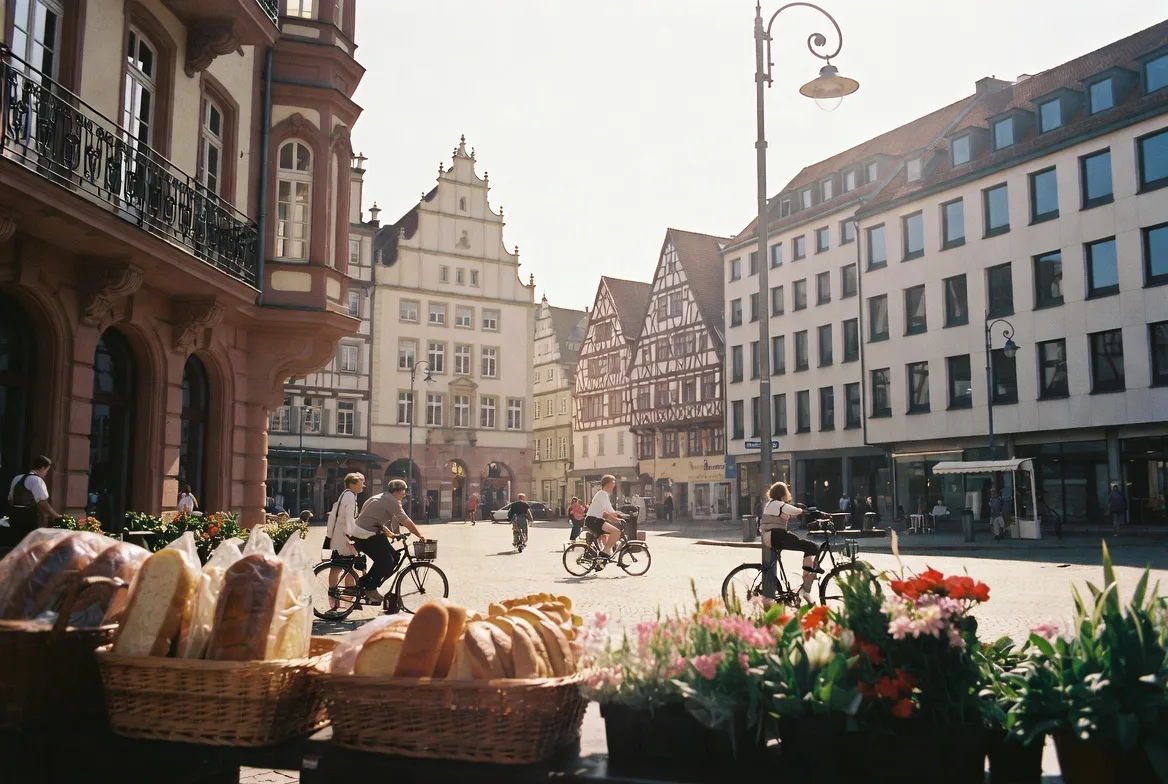
Ask two travelers what Germany feels like, and you may hear two very different answers. One will picture fairy-tale town squares, cathedral bells, and long lunches in wine country. Another will think of inventive design, efficient trains, experimental art, and cities that feel sharply contemporary. That tension is part of the answer to what is german culture known for - not a single image, but a country where deep-rooted tradition and modern life sit unusually close together.
For travelers from the US, Germany often reveals itself slowly. Its appeal is less about spectacle at every turn and more about texture: the ritual of coffee and cake in the afternoon, the pride attached to local bread, the seriousness given to Christmas markets, the civic order of public spaces, the way one region can feel entirely unlike the next. German culture is known for structure, yes, but also for craftsmanship, regional identity, music, intellectual life, and a strong relationship between everyday routines and larger historical memory.
What Is German Culture Known For in Everyday Life?
Many first-time visitors arrive expecting formality and efficiency, and those traits do exist. Public life in Germany tends to value punctuality, order, and respect for shared rules. You feel it at crosswalks, on public transit, and in the quiet rhythm of residential neighborhoods. This can read as reserved at first, especially to Americans used to more casual small talk, but it often comes from a cultural preference for clarity rather than distance.
At the same time, everyday life in Germany is full of rituals that soften that structure. Bakeries are not just convenient stops but part of the day’s rhythm. Weekly markets remain central in many towns and cities. Seasonal habits matter, from asparagus season in spring to Advent traditions in December. Sundays are notably quieter than in much of the US, with many shops closed and the pace of the day shifting toward walks, family meals, and time outdoors.
That contrast is one of Germany’s most distinctive cultural signatures. Life is organized, but not purely transactional. There is room for pleasure, but it is often woven into habit rather than performed as spectacle.
Regional Identity Matters More Than Many Travelers Expect
One reason broad answers can feel incomplete is that German culture is intensely regional. Bavaria does not feel like Hamburg. The wine-growing valleys of the southwest have their own foodways and customs, while Saxony, the Rhineland, Swabia, and the Baltic coast each carry different accents, architectural traditions, and social rhythms.
This matters because Germany is not culturally defined by one dominant national style in the way travelers sometimes imagine. Instead, local identity remains strong. Beer culture changes by region. Dialects shift noticeably. Even the built environment tells different stories, from brick Gothic in the north to baroque townscapes in the east and timber-framed villages in central Germany.
For visitors, that means the most revealing experiences often come from paying attention to local character rather than looking for one all-purpose version of “German-ness.” A trip focused on Munich and the Alps will show you a real Germany, but only one of many.
Food and Drink Are Central to What German Culture Is Known For
German food is often reduced to sausages, pretzels, and beer, and while those are certainly part of the picture, they tell only a fraction of the story. What stands out more broadly is the seriousness with which regional food traditions are preserved. Bread alone deserves its reputation. Germany’s bread culture is vast, varied, and deeply embedded in daily life, from dense rye loaves to seeded rolls and sourdough styles that change from one area to another.
Cakes and pastries also carry cultural weight. The afternoon ritual of Kaffee und Kuchen is not simply about dessert. It creates a social pause in the day, one that feels slower and more deliberate than a grab-and-go coffee culture. In wine regions, local varietals shape meals and conversation. In beer regions, brewing is tied to civic pride and local identity as much as refreshment.
It depends, of course, on where you travel. Southern food can feel richer and more Alpine; northern cuisine often leans toward fish, potatoes, and plainer preparations. But across the country, there is an enduring respect for seasonality, locality, and foods that connect people to place.
Festivals, Christmas Markets, and Seasonal Traditions
If there is one moment when German culture becomes especially vivid to travelers, it is during festival season. Germany is known for public celebrations that feel rooted rather than staged. Oktoberfest may be the most internationally famous example, but local wine festivals, harvest events, Carnival traditions in the Rhineland, and Advent customs often reveal more about community life.
Christmas markets, in particular, have become shorthand for a certain image of Germany, and not without reason. In many towns and cities, they are woven into the season with a sense of atmosphere that feels authentic rather than decorative. Choir music, wooden stalls, regional treats, mulled wine, handcraft traditions, and historic squares all come together in a way that reflects Germany’s talent for shaping public space around seasonal ritual.
Still, there is a trade-off in how these traditions are perceived. Famous markets and major festivals can attract crowds that flatten local nuance. Smaller cities and regional celebrations often offer a more intimate sense of how these customs are actually lived.
Music, Philosophy, and Intellectual Life
German culture is also known for its outsized influence on European intellectual and artistic life. The country’s legacy in classical music alone is immense, with composers such as Bach, Beethoven, Brahms, and Wagner shaping not only German identity but the Western canon more broadly. In many destinations, that musical history is not confined to museums. It remains audible in church concerts, opera houses, and festival calendars.
The same is true of literature and philosophy. Germany’s cultural reputation has long been tied to thinkers, poets, and writers who treated art and ideas as central to public life. That history still shapes the country’s institutions, from libraries and theaters to local museums in cities that might otherwise seem modest on the map.
For travelers, this can make Germany unusually rewarding if you enjoy cultural context. Even a small city may carry a remarkable artistic lineage. A palace town may also be a music town. A university city may hold layers of Enlightenment, Romantic, and modern history within a few walkable streets.
Design, Craftsmanship, and the Modern German Aesthetic
Another answer to what is german culture known for lies in its relationship with making things well. Germany has a reputation for engineering and precision, but that idea extends beyond cars and industry. It appears in furniture, typography, architecture, museum design, and the quiet confidence of well-crafted public infrastructure.
The Bauhaus legacy remains especially important here. Its influence helped define a modern German aesthetic that values function, restraint, and clarity. Yet Germany is not only minimalist. In many regions, traditional craftsmanship remains visible in ceramics, woodwork, holiday ornaments, textiles, brewing, and wine production.
This pairing of modern design and inherited craft is one of the country’s great cultural strengths. Germany can feel forward-looking without severing itself from tradition. For visitors, that often shows up in small details: a beautifully restored train station, a contemporary museum inserted into a historic center, a market stall selling goods made by hand in ways that have changed very little over time.
History and Memory Shape the Cultural Landscape
Any honest account of German culture also has to acknowledge the role of history, especially the 20th century, in shaping public life. Germany is known for confronting difficult history in visible, deliberate ways. Memorials, documentation centers, preserved sites, and public interpretation are part of the cultural landscape, particularly in major cities but also in smaller places.
This creates a travel experience that can feel more reflective than celebratory. Germany does not present heritage as a simple pageant of national pride. More often, it asks visitors to consider continuity, rupture, responsibility, and remembrance together. That seriousness is part of the country’s cultural identity.
At the same time, Germany is not frozen in its past. Contemporary urban life, immigration, creative subcultures, and changing ideas of identity all shape the country today. Cities such as Berlin, Leipzig, Hamburg, and Cologne each express different versions of a modern Germany that is still negotiating history while remaining dynamic and open-ended.
So, What Is German Culture Known For?
In the end, German culture is known for more than efficiency or old-world charm, though both exist. It is known for regional pride, strong public traditions, excellent bread, serious music, layered history, inventive design, and a way of living that gives weight to both order and pleasure. It is also known for complexity. Germany rarely yields its character in one glance.
That is precisely what makes it such a compelling place to travel. The more closely you look, the more Germany becomes a country of local habits, seasonal rituals, and cultural contrasts that reward attention. Go expecting one neat answer, and you may miss it. Go ready for nuance, and Germany becomes much more interesting.