Blog
What Makes German Culture Unique?
Published June 26, 2026
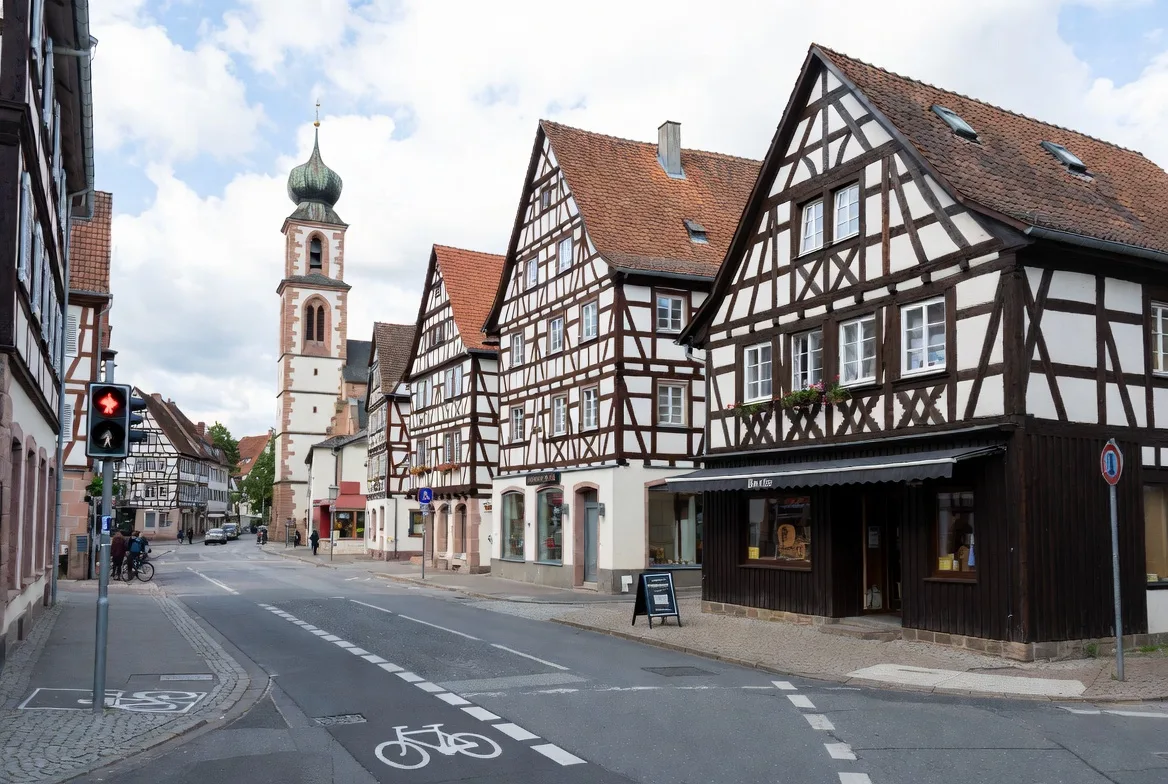
Stand on a market square in a small German city just before noon and you begin to sense what makes German culture unique. Church bells mark the hour, cyclists pause at a red light even when no cars are coming, a bakery line moves with quiet efficiency, and half-timbered facades sit beside sharply modern storefronts. Germany often surprises travelers not because it is flashy, but because so much of its character lives in the rhythm of everyday life.
For American travelers, that can be the real revelation. Germany is not one cultural mood stretched across a single map. It is a country where regional identity still carries real weight, where tradition and innovation are not treated as opposites, and where public life often reflects a deep respect for order, craftsmanship, and shared space. The appeal lies in that combination - old but not frozen, structured but not sterile, proud of its heritage yet constantly revising what modern German life looks like.
What makes German culture unique in practice
Part of the answer is that Germany feels intensely local. Travelers sometimes arrive expecting one neat national identity and leave remembering Bavaria, Saxony, the Rhineland, Swabia, or the North Sea coast as distinct cultural worlds. Food changes. Dialects shift. Building styles, festivals, and even social rhythms vary from region to region.
That regionalism gives Germany unusual texture. In one place, culture gathers around wine villages and Roman legacies; in another, around Hanseatic brick architecture and maritime restraint. A spa town in the south offers a very different atmosphere from an industrial-turned-creative district in the west. Even Christmas markets, often treated abroad as a single German export, can feel completely different depending on where you are.
For travelers, this means Germany rewards specificity. The country becomes more interesting the moment you stop asking what Germany is like and start asking what this particular region values, preserves, cooks, builds, or celebrates.
A culture shaped by order, but not only by rules
Germany’s reputation for punctuality and organization is not invented, but it is often flattened into stereotype. Yes, structure matters here. Public systems are generally designed to work, signs tend to be clear, and people often treat rules as part of a shared social contract rather than a suggestion. That can feel refreshing if you like traveling in places where public life has a visible framework.
Still, reducing German culture to efficiency misses the human side of it. Order in Germany is often tied to consideration. Quiet hours in residential buildings, the expectation of sorting recycling carefully, and the respect for pedestrian crossings all speak to a broader idea: individual freedom exists alongside responsibility to the collective.
That balance shows up in subtle ways. German cities can feel surprisingly calm, even when they are busy. Trains may not always perform to mythic standards, and anyone who travels enough in Germany will eventually encounter delays or disruptions. But the larger cultural instinct remains recognizable - systems matter, planning matters, and public life works best when people participate in it seriously.
Tradition and modernity share the same street
One reason Germany is so compelling to travel through is that its culture rarely presents heritage as a museum piece. Medieval town halls, Bauhaus buildings, postwar reconstruction, and contemporary design often exist within a few blocks of one another. You see that layering in architecture, but also in food, festivals, and social habits.
A centuries-old brewery might operate with contemporary branding. A harvest festival may sit comfortably alongside a strong environmental ethic. In Berlin, Leipzig, or Hamburg, highly modern creative scenes exist in constant conversation with history rather than in rebellion against it. In smaller towns, too, preservation is not always about nostalgia. It can be a practical, lived relationship with place.
This may be one of the clearest answers to what makes German culture unique: the country is deeply historical without always being sentimental. The past is visible, sometimes heavy, sometimes beautiful, often carefully interpreted. But daily life keeps moving.
Craftsmanship is not just aesthetic - it is cultural
Germany’s reputation for making things well extends beyond cars, tools, and engineering. Craftsmanship has social prestige here. Whether you are looking at cabinetmaking, bread baking, Christmas ornaments from a mountain region, or precision in contemporary industrial design, there is a strong cultural respect for skilled work done properly.
That respect shapes the travel experience in satisfying ways. You notice it in bakeries where bread is taken seriously enough to justify a dazzling range of regional styles. You notice it in small museums that explain local industry with pride rather than apology. You notice it in hotels, train stations, bathhouses, and public spaces where function is often given as much attention as decoration.
There is also a cultural preference for substance over performance. Not everything needs to announce itself dramatically. Some of Germany’s most memorable experiences are quiet ones: a perfectly maintained spa park, a village workshop, a forest path marked with exacting care, a café cake made according to regional tradition rather than trend.
The social language of ritual
German culture can look reserved from the outside, but it is full of ritual. Not necessarily grand ceremony, but recurring social patterns that give shape to the year and the week. Advent calendars, Sunday cake, seasonal asparagus, spring festivals, Christmas baking, wine harvest celebrations, and the collective migration to beer gardens or lakes when the weather turns warm all create a strong sense of seasonal belonging.
These rituals matter because they make culture tangible for visitors. You do not need perfect German or deep historical knowledge to feel the atmosphere of a town preparing for St. Martin’s lantern processions, a summer evening in a riverside garden, or a December market scented with spice and pine. The culture often reveals itself through repetition and participation.
Food plays a role here, though perhaps not always in the way outsiders expect. Germany is not only sausages and pretzels, and its culinary identity becomes much richer when seen regionally. The point is less a single national cuisine than a deep attachment to local specialties, seasonal ingredients, and the social settings in which people eat and gather.
Memory is part of the landscape
Germany’s relationship with history is unusually visible. Travelers encounter not just castles and imperial architecture, but memorials, documentation centers, reconstructed synagogues, Stolpersteine set into sidewalks, and public conversations about the 20th century that remain active rather than settled. This gives German culture a particular seriousness, especially in major cities.
What is distinctive is not simply that difficult history exists, but that it is integrated into civic space. Germany often asks visitors to look closely, not just admire. That can make cultural travel here more layered than in destinations that foreground beauty and leave historical complexity at the margins.
At the same time, the country does not live only in memorial mode. Contemporary German identity also includes migration, new forms of urban culture, changing food scenes, and debates about how tradition should evolve. The culture feels unique partly because remembrance and reinvention happen side by side.
Nature is not separate from culture
Many travelers are struck by how often Germans organize leisure around landscapes. Forest walking, lake swimming, river promenades, thermal bathing, cycling paths, and mountain huts are not fringe activities. They are woven into mainstream life. The idea of wellness here often feels grounded and local rather than luxurious for its own sake.
That relationship with nature helps explain the appeal of Germany beyond its famous cities. A town’s identity may depend as much on a vineyard slope, a spa tradition, a Baltic shoreline, or a hiking network as on any landmark. Landscapes are not just scenic backdrops. They shape habits, cuisine, architecture, and seasonal routines.
For visitors, this creates a more spacious understanding of culture. A day in Germany can move naturally from a museum to a riverbank path to a late-afternoon café without feeling like separate categories of experience. Cultural life and outdoor life often belong to the same rhythm.
What travelers notice most
If there is a single thread running through all of this, it may be intentionality. Germany tends to value things done with care: preserving a facade, keeping time, baking bread properly, marking the seasons, maintaining public infrastructure, remembering history honestly, and allowing regions to keep their own voice. Not every place in Germany feels the same, and that is exactly the point.
So what makes German culture unique? Its distinctiveness lies less in one dramatic symbol than in how many elements coexist at once - regional pride, civic order, historical depth, design intelligence, ritual, and a surprisingly lived connection to landscape. For travelers willing to notice the details, Germany reveals itself gradually, then memorably.
The most rewarding way to meet it is not to rush past those details in search of a single defining image, but to let a place show you its habits, its pace, and its sense of itself.