Blog
North Rhine-Westphalia: Germany's Most Underrated Region
Published August 3, 2026
North Rhine-Westphalia is the Germany many travelers pass through without really seeing. They arrive at Düsseldorf or Cologne, change trains, and continue toward a more familiar headline destination. That is understandable: the region is dense, busy, and not easily reduced to one postcard image. But that density is exactly why it rewards a slower trip. In a relatively compact part of western Germany, big-city waterfronts, former industrial landscapes, university towns, spa traditions, wooded hills, and small historic centers sit close enough to make a flexible itinerary feel natural rather than over-planned.
This is not a checklist of the region’s biggest sights. It is a guide to using North Rhine-Westphalia as a base-and-branch journey: pick a sensible base, keep transfers simple, and let each day reveal a different version of the region. That approach suits travelers who have already done Berlin or Munich and want Germany to feel less like a sequence of famous stops and more like a collection of places with their own working rhythms.
Why North Rhine-Westphalia works as a real trip, not just a stopover
The useful thing about North Rhine-Westphalia is contrast without huge distances. A morning can begin among offices, museums, and riverfront promenades, while the afternoon leads to a smaller town with timber-framed streets or a trail above a wooded valley. The shift is not merely scenic. It changes the pace of the day, the food, the architecture, and the kind of travel that makes sense. Instead of trying to cover one enormous region in a rush, you can build several smaller, coherent days around rail corridors and city centers.
That makes the state particularly forgiving for independent travelers. You do not need to reserve every night around a single linear route. A good base lets you choose between an urban day, a museum day, a spa-town day, or a quieter outing when the weather changes. The goal is not to tick off every city. It is to combine places that illuminate one another: a polished Rhine city alongside a former industrial center, or a compact historic town alongside the forests and hills of East Westphalia.
For practical context, North Rhine-Westphalia’s official tourism board organizes the region around cities, culture, outdoor time, hiking, cycling, and rail-based ideas rather than one single flagship attraction. That is a useful cue for planning. Treat the region as a set of connected moods, not a place that needs one grand circuit.
Start on the Rhine, then move outward
Düsseldorf is a strong opening base because it makes the region’s confidence immediately visible. The Rhine frames a city that can feel composed and international without becoming distant. Spend time walking rather than only moving between landmarks: the riverfront, the older streets, gallery districts, Japanese restaurants, and the ordinary business of the city all belong to the experience. It is the right place to begin if you want an easy landing, an urban evening, and a clear sense that NRW is contemporary as well as historic.
From there, resist the temptation to turn every day into a major-city comparison. The point is not to decide whether Düsseldorf is better than Cologne, Essen, or Dortmund. It is to use the network around them. A shorter move can take you toward a different scale of Germany: a river valley, a former industrial district, or a city whose appeal is more local than monumental. The closer your days stay to a single idea, the more the region starts to make sense.
Travelers who like architecture and urban history can pair their Rhine base with the slower, more layered perspective in our guide to historic cities in Germany. The useful question is not simply what survives from the past. It is how the old fabric and the present city meet: in streets that still work as neighborhoods, in cultural buildings adapted to new roles, and in public spaces where a city’s history is not cordoned off from daily life.
The Ruhr and its edges: travel through a lived landscape
NRW’s industrial story is often described too narrowly, as if the Ruhr were only a lesson in coal and steel. For travelers, the more interesting reality is how cities and landscapes have changed around that history. Former work sites, rail corridors, canals, parks, and dense neighborhoods create a geography that is different from the postcard Germany many visitors expect. It is less about finding one perfect view than noticing the evidence of work, reinvention, and everyday life in the same frame.
Hagen makes a useful stop when you want that transition to feel less obvious. It sits between urban and greener terrain, and it works best when approached with curiosity rather than a rigid attraction list. Give it time for local streets, a museum or two if they fit your interests, and the sense of how quickly the wider Ruhr can loosen into hill country. It is a good reminder that a regional trip can include places that would rarely headline a first visit to Germany but still make the route more memorable.
This is also where planning by energy level matters. Some days are suited to long museum visits and city walks; others are better for a smaller place, a café, a park, and an early train back. NRW rewards that flexibility. A trip that leaves room for one unplanned afternoon usually feels more revealing than a schedule that treats every city as an obligation.
East Westphalia: where the pace changes
East Westphalia offers a different texture. The cities and towns here can feel more contained, and the landscape begins to matter more directly to the itinerary. For a traveler coming from the Rhine or Ruhr, that change can be the point: less metropolitan polish, more room to notice forests, historic centers, spa culture, and the relationships between a town and its surrounding countryside.
Bielefeld is an especially good threshold. It has more scale than many visitors expect, but it is close enough to the Teutoburg Forest to keep nature within the mental map of the day. The city’s famous running joke is part of its public identity, but the better reason to go is practical: it can anchor an East Westphalian section of a trip while still offering the everyday services and rail connections that make travel easier.
From Bielefeld, Detmold gives the itinerary a more historical register. It is the kind of place that rewards a slower arrival. Rather than racing from one named sight to another, walk the center, look at the civic scale of the buildings, and let the surrounding region shape what you do next. Detmold works well for travelers who want history to be part of a lived town rather than a separate museum exercise.
For a quieter shift still, Bad Driburg brings spa-town traditions and the Teutoburg Forest into the same frame. It is a useful counterweight to the bigger cities: a place where the value of the day may be a walk, a slower meal, and a gentler pace rather than a long list of attractions. If that mood appeals, our guide to spa towns in Germany can help you recognize why these destinations are often about atmosphere and routine as much as formal sightseeing.
Salzkotten is another useful reminder that the region’s character does not live only in its largest cities. Smaller historic places can make a strong half-day or overnight when they are allowed to be themselves. Do not arrive expecting a packed attraction program. Arrive ready to notice the scale of the streets, the traces of local industry and trade, and the quieter social life that can get lost in a fast regional itinerary.
Build a route around themes, not pins on a map
The easiest way to make a North Rhine-Westphalia trip feel coherent is to choose a theme for each day. A city-and-river day might begin in Düsseldorf and end with a long walk by the water. A culture-and-history day might combine Bielefeld or Detmold with a slower dinner in a smaller center. A recovery day could lean toward Bad Driburg, a park, and an earlier return. These are not rigid itineraries; they are ways to avoid the common mistake of crossing the state only to collect place names.
- For urban contrast: use Düsseldorf as the polished base, then add a Ruhr or edge-of-Ruhr stop such as Hagen.
- For historic texture: pair Detmold with Bielefeld or Salzkotten, and leave time to walk without a timed agenda.
- For a slower regional break: put Bad Driburg between busier city days rather than treating it as an afterthought.
- For a wider Germany trip: use NRW as the section where you slow down between major destinations rather than merely changing trains.
Castle-minded travelers can also fold the region into a broader route without forcing the theme. Our guide to castle towns in Germany worth the detour is useful for deciding when a historic stop deserves an overnight and when it works better as part of a slower day. The important thing is pacing. A regional hub should give you permission to spend more time in fewer places, not another reason to overfill the calendar.
Use trains intelligently, then check the details
Rail makes this style of travel realistic, but it still rewards preparation. Start with the actual connections you need, especially on weekends, during engineering works, or when a day combines a local bus with a regional train. For the general rhythm of a German rail trip, read our Germany train travel tips before you build a route around tight transfers.
As checked in August 2026, the Deutschland-Ticket costs 63 euros per month and covers local and regional public transport throughout Germany. It can be useful for a multi-day NRW trip, but check the current conditions and each route before buying: the official Deutsche Bahn guide, VRR ticket information, and VRS ticket information are the right places to confirm the fare, scope, and local options for your dates.
The useful habit is simple: choose a base, map the first and last connection of each day, and leave a little room around them. NRW is dense enough that an itinerary can become stressful if every transfer is treated as automatic. It becomes much more enjoyable when you treat the train as part of the day and build in the occasional unhurried coffee, river walk, or station-area detour.
When North Rhine-Westphalia is the right choice
Choose NRW when you want Germany to feel varied without requiring a long cross-country route. It is especially good for repeat visitors, travelers without a car, and anyone who prefers places with working urban life over a succession of isolated monuments. It also works for mixed-interest trips, where one traveler wants art and food, another wants trails or regional history, and neither wants to spend every afternoon in the same type of destination.
The region is not a substitute for the Alps, the Baltic coast, or Berlin’s scale. That is not the point. Its appeal is that it makes different versions of Germany available in the same trip: riverside city, industrial landscape, historic town, forest edge, spa retreat, and local rail journey. Once you stop treating it as a corridor, North Rhine-Westphalia becomes one of the most flexible places to build a thoughtful German itinerary.
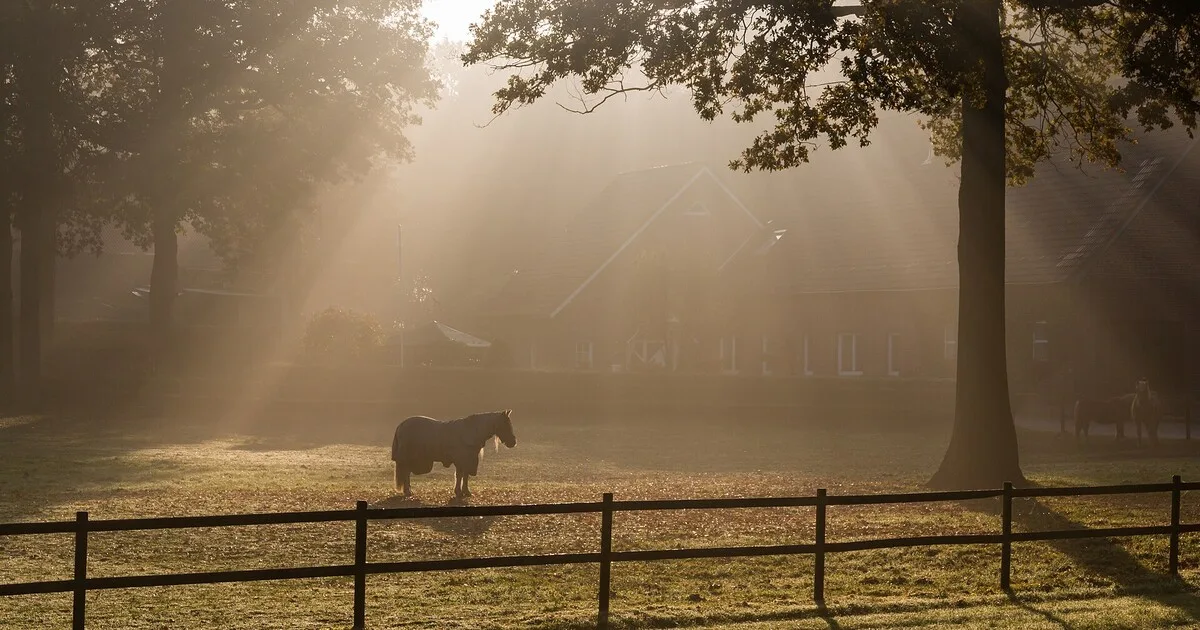
Hero image: Dülmen, Börnste, Weide by Dietmar Rabich, adapted for web, licensed CC BY-SA 4.0.